Your Care, Your Way – what you said

Your Care, Your Way – what you said

Healthwatch England has published new findings, which show services are failing in their legal duty to provide accessible information for people with physical and learning disabilities.

As part of the Your Care, Your Way campaign, between March and May 2022, an online survey was carried out which heard from 605 people affected by communications challenges.

People being refused communication support

One in four respondents (28%) – including deaf, blind and people with learning disabilities – said they had been refused help when requesting support to understand information about their healthcare. This included information being provided in formats such as Braille, British Sign Language and Easy Read.

Not being given information in the right format affected people’s mental health and wellbeing (38%), meant they missed out on important information about their health (29%) or meant that they could not contact a service they needed (27%).

Respondents also reported that the quality of communication from NHS and social care services had worsened over the last two years. Two-thirds (67%) felt that the way health and care services communicate with them had gotten worse or slightly worse over the course of the pandemic.

Impact on people who have mental health conditions

It is not just people with sensory impairments or learning disabilities who are affected by this issue.

A fifth (22%) of those who reached out to Healthwatch to share their experiences identified themselves as having a mental health condition, such as depression or anxiety.

Of these people, 35% reported they rarely or never get the support they need to understand healthcare information or communicate with staff. The majority of them (70%) also said that the lack of information in a format they could understand further impacted their mental health and wellbeing.

Why we need better Accessible Information Standard

The findings come as NHS England (NHSE) is conducting a review of the Accessible Information Standard (AIS). The Government created this legal requirement in 2016 to ensure all publicly funded health and social care providers meet the information and communication needs of people who are deaf, blind or have a learning disability. Publication of this review is expected later in the year, with updates to be implemented by April 2023.

Earlier this year, Healthwatch England uncovered that many health and social care providers significantly failed their duty to ask about people’s communication needs and then act on this information.

They joined forces with leading disability organisations, including RNIB, RNID, Mencap and SignHealth, to inform the long-awaited review of the AIS. The coalition called on NHSE to take on board their recommendations, including stronger accountability across services to protect people’s rights to accessible information.

Louise Ansari, national director at Healthwatch England said:

“Our findings are a stark reminder that some of the most vulnerable people in our society are still excluded from access to healthcare because they communicate in British Sign Language or they need information in visual formats. And this is despite the fact that their rights to accessible information are protected in law.

“People’s right to accessible information should be based on their communication needs, not just on a diagnosed disability. For instance, people who have a mental health condition or are waiting for a diagnosis should have a right to request communication support in the same way as people who have a sensory loss or a learning disability.

“If people cannot get information about their healthcare they understand, this can have a significant impact on their mental health and can lead to them missing doctor’s appointments or taking the wrong medication, putting them in danger.

“As we are waiting for the review of the Accessible Information Standard, we strongly advise that NHSE and the newly created 42 integrated care systems ensure equitable access to healthcare for everyone.”

Find out more about the results of the accessible information survey

Get in touch

If you would like to tell us about your experience of accessing health and social care services in the last 12 months please get in touch.

Online Event – Asthma+Lung UK

Online Event – Asthma+Lung UK

Join us on Friday 12 August, 1pm-2pm to hear a presentation from Nick Powell from Asthma+Lung UK.

In this free, online public event Nick will provide a brief overview of asthma, COPD, mesothelioma and other lung conditions.

We will also hear about the national and local support available from Asthma+Lung UK. There will be a chance to ask questions.

Register now and we will send you a link to join closer to the event: 


This event has now passed.

Mental health services and autistic children

Mental health services and autistic children

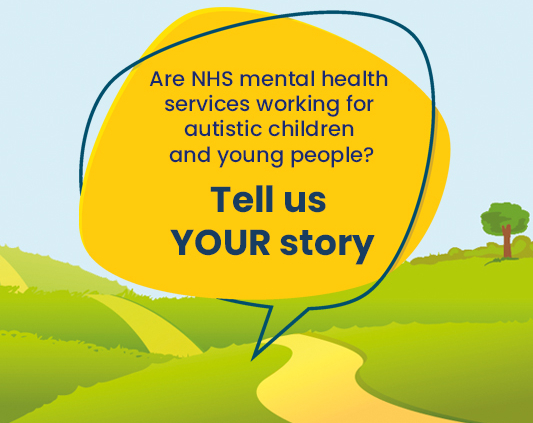
Are NHS mental health services working for autistic children and young people?

We have been hearing from local families that some NHS mental health services aren’t working for them. To understand what is happening, we would like to hear about the experiences of as many autistic children and young people as we can. This includes children with a formal autism diagnosis, currently being assessed, or where there is an indication of autism. We want to know what is working well and what could be better.

Please tell us about your family’s experiences online, or by getting in touch in a way that suits you.

What you tell us will be included in a report to those who pay for and provide these services, along with recommendations of how services could be improved for children and young people. It will be anonymous and we will ensure you cannot be identified.

Read what Sarah, Ellie and Jennifer have to say and then tell us your story…

Parent Sarah says “For both of my children it took several years to get a diagnosis of ADHD and autism. Both have had issues with their mental health alongside their ADHD and autism. The delay in diagnosis impacted negatively on their mental health and both also experienced additional deterioration after Covid-19.

“Many different health and care services have been involved with my children, but these services are unfortunately not all joined up. Often referrals would be accepted for support but then discharged on the basis that other services were already involved or were better suited to provide support, care or treatment. When support has been received this is time-limited or specific to concerns at any one time leading to the process of needing to fight to seek help again later down the line.

“My children’s mental health difficulties have been seen as being ‘part of their autism’ rather than a separate condition that required treatment and help. This has led to difficulties and challenges getting the right support and most appropriate services involved for their mental health. Many people on the autistic spectrum have anxiety and mental health issues. This is not autism but the effect of having to adjust to the world around them and the many challenging situations they face.

“What has been most difficult is that every step of the way I have had to fight to get the right support my children need, challenging what we have previously been told and doing a lot of research ourselves. At times we felt we were not being listened to. It feels like we have had to become specialists in our own right, whilst also caring for children with additional needs that can be very challenging.”

Young person Ellie told us “The mental health professional I saw at the NHS didn’t seem to know very much about autism, so they didn’t realise that the appointments themselves were very stressful for me. I don’t think they always believed me when I said how bad I was feeling because on the surface I appeared to be okay.

“My mental distress at the time was extremely high and I was experiencing some very dark thoughts, but I didn’t feel listened to or understood. I would have liked to have had someone like my dad with me at the appointments but that wasn’t an option because they were held at school.

“My mental health has slowly improved since then but that’s because I started seeing someone privately who has experience of working with autistic people. I feel very lucky about this because I know not everyone would be able to afford it.”

Jennifer, whose child is autistic, says “The initial relief of my child being provided mental health support was quickly replaced by concern, as instead of getting better they got worse. A lack of knowledge and understanding about autistic presentation meant the therapist didn’t connect authentically with my child, who in turn felt invalidated by the whole experience.

“The number of sessions offered was limited and at the end of the programme I was shocked to find my child didn’t reach the threshold for further support. Instead, we were provided with a list of community-based support organisations and left to fend for ourselves. As a parent I now have a complete lack of confidence and trust in the NHS mental health system.”

Tell us YOUR story

Whether your child may be autistic, is currently being assessed or has a formal autism diagnosis, we’d like to hear their experiences of mental health services. We’d like to know what went well and what could have been better. Tell us your story online, or if you’d prefer to speak to one of our friendly team in confidence, please get in touch.

This piece of work has now closed.

Living well with dementia sessions

Living well with dementia sessions

Dementia groups in Northumberland: living well with dementia


These weekly dementia groups in Northumberland from Royal Voluntary Service are designed for people with mild to moderate dementia or cognitive impairment. The sessions offer a range of stimulating and purposeful activities that promote good physical health and mental wellbeing. These include crafts, cookery, nature-based activities, games, puzzles and gentle exercise sessions. Activities can also help with maintaining social skills. Carers are welcome and can take part in the morning sessions and join the group for lunch if they wish.

Berwick Youth Hostel TD15 1HJ: every Monday (not Bank Holidays) 10.00am to 2.00pm.

£12.50 per session including lunch for individuals with dementia (£5.00 for carers if having lunch).

Alnwick Cricket Club NE66 1BL: every Wednesday 10.00am to 2.00pm.

£12.50 per session including lunch for individuals with dementia (£4.50 for carers if having lunch).

Beaconhill Community Centre, Cramlington: NE23 8EH. Every Thursday 10.00am – 2.00pm.

£12.50 per session including lunch for individuals with dementia (£4.50 for carers if having lunch).

For more information or to book please contact Margaret by emailing: margaret.facey@royalvoluntaryservice.org.uk or call: 07500 033349.


What is dementia?

The word ‘dementia’ describes a set of symptoms that may include memory loss and difficulties with thinking, problem-solving or language. These changes are often small to start with, but for someone with dementia they have become severe enough to affect daily life. A person with dementia may also experience changes in their mood or behaviour.

Dementia is caused when the brain is damaged by diseases, such as Alzheimer’s disease or a series of strokes. Alzheimer’s disease is the most common cause of dementia, but not the only one. The specific symptoms that someone with dementia experiences will depend on the parts of the brain that are damaged and the disease that is causing the dementia. (Alzheimer’s Society).


Find more information about dementia support and activities at our dementia page.

Have your say on diabetic eye screening

Have your say on diabetic eye screening

NHS England would like to hear from people with diabetes and those who support them, about their views on diabetic eye screening and how to improve the service in the future.

The Diabetic Eye Screening Programme (DESP) aims to reduce the risk of sight loss amongst those living with diabetes by early identification and effective treatment of diabetic retinopathy.

The screening programme invites anyone with diabetes aged 12 years or over for digital eye screening once a year. Your views will help shape the way the screening programme is delivered going forward.

You can also give your views for improving the service by emailing: Trudie.metcalfe@nhs.net

All feedback should be submitted by Saturday 6 August 2022.

Read more about diabetic eye screening (including Easy Read)

If you would like to tell us about any diabetes or eye health services you have used recently please get in touch.

Rothbury Community Hospital update

Rothbury Community Hospital update

Northumbria Healthcare NHS Foundation Trust has given an update on work which will enable a new model of care to be delivered from Rothbury Community Hospital:


The pioneering strategic health and social care partnership between ourselves and Rothbury Cottage Care Ltd, which is part of People First Care, will see a package of community care being available for the residents of Rothbury and surrounding villages. The work, which will take up to four months to complete and is being delivered and managed by Rothbury Cottage Care Ltd, will involve transforming the inpatient ward at the hospital into a homely residential care home with the provision of flexible NHS beds.

It is hoped that the community health and social care facility will be opened by November.

The flexible NHS bed provision will be available for patients who need longer-term recuperation and rehabilitation and end-of-life care. The facility will receive clinical support from a team of district nurses, GPs and nurse practitioners and will be provided alongside healthcare currently provided in the community and in peoples’ homes.

The clear admission criteria we have for both services should give confidence in the care that will be provided whether someone is in an NHS or resident care bed.

Stark lessons learnt from the last two years include that healthcare provision needs to be flexible if it is to be sustainable and that the focus should not be on beds, but on what is going to enable patients to get better and recover as quickly as possible and the best use of our staff and resources. It is clearly evidenced that medically fit people should not be in hospital beds.

It is fantastic that we are able to be part of a partnership which offers holistic care for people. We are also mindful that this is a new model of care so a detailed review of the NHS provision will be done at three and six-month intervals. They will include the number of admissions to health beds, reason for admission, length of stay, if patients are unable to access the health beds, including their reason for needing admission, and feedback from staff and patients. We can then make any changes that we need to.

This is the first time that Rothbury has had a residential care home within the village. Rothbury Cottage Care Ltd want to make the environment as homely as possible. The 12 rooms will all be en-suite and residents and NHS patients will enjoy home-cooked food which will be prepared on the site and have access to a day room. There will also be a laundry on site.

The same contractor that originally built Rothbury Community Hospital is undertaking the building work so they have extensive knowledge of the building and we have every confidence in their ability to ensure the facility is of excellent quality.

Other positives include there now being another local employer in Rothbury and supporting the local economy. It is hoped that most of staff recruited will be from the local community and full training will be provided. There will also be a day centre and Rothbury Cottage Care Ltd is also looking to provide home care subject to demand and recruitment. They will start advertising various posts from July.

We are committed to making this partnership work for local residents as we appreciate that people have had to wait for a very long time for a solution. We would like to thank residents and all stakeholders for their patience, feedback and support.


Tell us your experiences of using health and social care services in Rothbury and across Northumberland.

Annual Report 2021/22

Annual Report 2021/22

Championing what matters to you


Our Annual Report 2021/22 gives an overview of our work over the year. Filled with local photographs from all four corners of the county, the report highlights how we made a difference to people in Northumberland who use health and social care services.

You told us about your experiences of local pharmacies, home care, dentistry and GP services, helping providers know what matters to you and ensuring your views are included in plans for these services. Our Signposting and Information Service enabled over 3000 people to find out more about support and services in our area, and you can find examples of how the service provided confidential support and information.

View the Healthwatch Northumberland Annual Report 2021/22

or download a pdf version.


Tell us about the NHS and social care service you and your family have used recently.

Home care services in Northumberland

Home care services in Northumberland

Home care services are a vital way to support people by meeting their health and social care needs in their own homes.

‘Understanding the experiences of people using home care services, then, now and in the future’ was a project designed to find out the experiences of people using services and their family carers in Northumberland. We wanted to find out what is working well for people and also make recommendations for changes or improvements to services, based on what people told us.

This is particularly important at present given the disproportionate impact of the COVID-19 pandemic on those using home care services and their families, and the need to prepare for similar situations in the future.

We also wanted to follow up and extend on our previous work which focused specifically on the Coquet Valley, by gathering the views of people throughout Northumberland. Read Home Care Provision in Coquetdale.

This report is an overview of the findings and draws out key recommendations on the issues raised by those who use services and their carers. We have indicated where the recommendations are for Northumberland County Council Adults Social Care commissioners (ASC) or service providers (SP).

Read our findings and recommendations below:

Home care services in Northumberland

New 999 BSL service

New 999 BSL service

999 BSL is a new service that connects deaf people to British Sign Language Interpreters remotely through an app or a web-based platform, who then will relay the conversation with the call handler and emergency authorities.

This service has been set up so that no deaf person will be excluded when they need to make an emergency call, therefore saving lives.

There are two ways to reach the emergency services through 999 BSL:

You can use the service in three simple steps:

  1. Open the app (download beforehand) or webpage
  2. Press the red button ‘Call 999 BSL now’
  3. Connect to an interpreter

Read more about the service and watch videos explaining how to use 999 BSL at the Sign Health website.

Brockwell Surgery relocation

Brockwell Surgery relocation

Earlier this year we helped Brockwell Medical Group to hear from patients their thoughts on the proposal to relocate Brockwell surgery to a new build located on the site of the Northumbria Specialist Emergency Care Hospital. We held three online forums during February and March 2022 for patients and residents.

Pauline Ironside, Business Lead from Valens Medical Partnership and Dr Aamir Munir from the surgery were at the sessions to provide an overview of the proposal and answer any questions. Jen Coe from Northumberland Clinical Commissioning Group Engagement also attended and Shari Kelly from Valens Medical Partnership joined us for one of the online sessions.

Feedback on the proposed relocation

In total eight people came to the forums and all were patients of Brockwell Surgery. We also received some feedback via social media, email and telephone. A summary of the areas of feedback we recieved are outlined below.

Read detailed questions and answers from the forums in Appendix A.

1. Travel to the new surgery

One of the primary concerns we heard was around travelling to the new site for appointments, particularly as public transport did not appear to be readily available and taxis would be expensive. Concerns tended to be for elderly people or others who may be unable to drive. One person mentioned her elderly parents could rely on her for lifts, but others would not necessarily have that same family network. Another person said that she was currently unable to drive due to a health issue and would struggle to get to the new site.

There was a general feeling that the current surgery was a ‘community’ facility serving its patient location and demographic well and that a move would detract from that. A query was raised about whether a postcode analysis of current patients had been completed. Two people mentioned that the current site was walking distance for them. However, we also heard from one person that the new proposed site was closer to travel to and a suggestion that this would also be the case for others.

Related travel concerns and questions are outlined below:

  • Alternative options to proposed move

 There was some acceptance about the need for improved premises and services, but a question was raised by two people about whether expansion on the current site was possible as an alternative and another two people about whether the current surgery could be kept open as a ‘branch’ surgery alongside the new proposed site.

  • Environmental and cost implications

 Due to the observation that most patients would likely have to travel further to access the new site a concern was raised at one forum and via social media about the environmental impact of people having to drive to appointments who are usually able to walk. Alongside the concern about taxis being expensive for those who cannot drive, the costs of public transport for those who could use it to get to the new site and increased petrol costs for those driving to the new site were also raised.

  • Alternative transport options

There was general support for the proposal of a free transport solution in partnership with Age UK Northumberland. We heard that this would not only be for the elderly community but also younger patients who were struggling with transport to the new site. However, there was a concern raised about ensuring the transport available was safe and accessible for frail elderly people who may not be able to step up into a mini-bus or be safely seated before it moved away. One person told us that her autistic son who is also non-verbal potentially may struggle with this type of transport solution.

There was also a concern that any transport solution should be sustainable, and a query was raised as to how this would be and continue to be funded in the future particularly given Age UK’s charitable status.

2. Parking concerns

 Another primary concern raised in relation to the new site was around parking. Several queries were raised about whether this would be free parking and there were concerns around how parking would be managed at the new site and if hospital patients would be prevented from using it.  We did however, also receive feedback from someone at a forum and another via social media about the difficulties parking at the current site and how the new site could improve parking concerns.

Other considerations

The engagement process

There was some concern raised about the engagement process itself following unexpected delays in patient letters being received. However, it is noted that some more online sessions were arranged and the survey date extended due to this delay.

Concerns were raised about ensuring the voices of those who may be digitally excluded, whose first language is not English, and those with protected characteristics were heard as part of the engagement process. We also had a suggestion from one person that the survey appeared biased in favour of the proposal, and another was concerned that the proposal was like a move proposed several years ago and therefore felt contributions made from patients as part of that process should also be considered. A few people were keen to understand whether the proposal was a ‘done deal’ regardless of patient views.

Miscellaneous

We received a couple of comments that the move appeared more beneficial to staff than to patients and a related query about whether there were financial incentives for medical partners for the move.

We also heard a query around pharmacy services and whether these would remain at the current site or move to the new site, showing a potential concern about disruption to services.

Summary

The feedback we received about the proposed relocation centered mainly around two key issues which were travel to the site, particularly for those who do not drive, and concerns about parking. Due to these concerns people were keen to know if other options closer to the current site had been considered or whether some provision could also remain at the current site should the move go ahead.

Recommendations

  • Ensure continued meaningful engagement on the proposal if approved. For example, develop and deliver a communications plan with patient representatives that provides regular updates to all patients, highlights when key milestones are reached/achieved and identifies when and how feedback will be sought on key issues.
  • Given the queries received about whether the current site could instead be expanded, further information should be included in the FAQs about the reasons that this is not possible, to improve transparency and patient confidence in the process.
  • Whilst alternatives to travel to the site for those who do not drive are being considered, these options need to be both transparent and viable and communicated fully to patients to help alleviate concerns. Information about available bus routes should ideally be published or at least be offered to affected patients prior to any agreement on the proposal to allow for further feedback. At a minimum this could be via a Traveline ‘plan your journey’ link on the website.  A travel impact assessment focusing on those with protected characteristics under the Equality Act should be completed, including an Environmental Impact Assessment.
  • Should the proposal go ahead, parking solutions at the new site should be fully and clearly communicated to visiting patients.
  • Given potential difficulties in travel, further consideration should be given to how multiple frequent surgery visits within one day would be managed, for example, stool and urine sampling cases.


June 2022: Brockwell Surgery relocation approved

The Brockwell Surgery relocation has now been approved. The practice was given the final approval at NHS Northumberland Clinical Commissioning Group’s Primary Care Commissioning Committee held in May 2022. You can read more about the move at Valens Medical Partnership’s website.