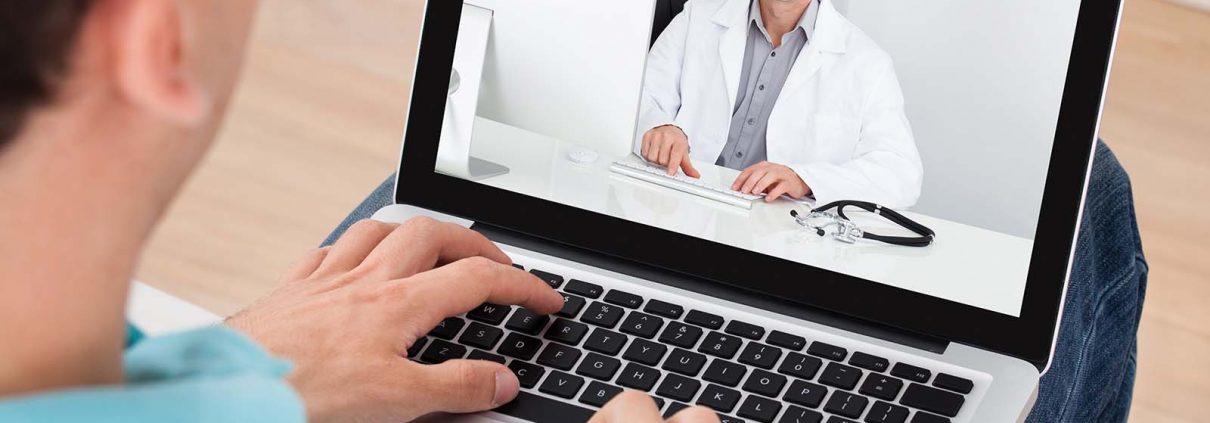
A recent survey for the British Medical Association showed that 95% of GPs are now offering remote consultations and 88% want to see greater use of them continue in the future.
Whilst people previously told us that they welcome the idea of the NHS making better use of new technology to help make care more convenient, people’s experiences of telephone, video, and email consultations to date have been more mixed.
For some, they are working well, and many previously sceptical individuals have been converted following a positive experience. For others, these types of appointments have introduced new barriers to care.
So how can we make sure that this revolution in the way care is delivered works for everyone?
What makes a virtual appointment good?
Last week Healthwatch England published the findings of some rapid research conducted in partnership with Traverse and National Voices. Involving people who have had a virtual consultation during the pandemic, this report provides useful insights for NHS services and individual clinicians.
Key findings and recommendations
Arranging a virtual consultation:
- Feeling safe and comfortable – It’s important for people to feel safe, comfortable and that they have a confidential space in which to talk about their medical concerns. Most of those we spoke to hadn’t received any information in advance about how the appointment would work or what they could do to help. It would be useful for patients to be alerted to this fact beforehand so that they can prepare for their appointment.
- Making the benefits known – Secondly, to realise the benefits of people not having to travel to appointments, patients need a reasonable time window for their appointment. Where people are not given this, it leads to increased frustration, with missed calls or unexpected delays creating anxiety.
- Getting the format right
Most of those we spoke to had telephone consultations, but a significant number felt that video would have been better.
We heard examples where people’s level of digital literacy had not been assessed before the appointment. There were also examples discussed where people felt remote consultations would never be appropriate, such as delivering bad news following a diagnosis.
During the appointment itself
Giving people the time they need
Whichever form of remote consultation is used, people were clear that it must not mean a compromise on the quality of the interaction. Appointments must not feel rushed, patients need to feel listened to and clinicians must have all the information they need to hand.
“I didn’t know what to expect. The physio created space to ask about how I was doing. I felt heard and was able to ask questions. It was refreshing. A normal physio session would be in a crowded room, five minutes instructions, you practice the movement, they pop back after seeing other people and ask you how you are getting on, it’s rushed. I see about 15-20 health professionals a year and this is the most person-centred session I have had.”
– Maria, physiotherapy patient.
Test, learn and improve
Seek feedback
As with any significant change it is important to seek feedback and to learn from what works and what needs improvement. Yet most participants in our research reported that they weren’t asked for feedback about their remote consultation experience.When we asked them for suggestions, they identified many ways in which remote consultations could be made better. For example, enabling sessions to be recorded and played back later so people can confirm they have understood, or introducing closed captioning to help those with hearing loss.
Overall, one of the biggest learning points was around quality. While some people in the health and care system may see remote consultations as a way of delivering care more efficiently, it is clear that any impact on quality will likely see a significant drop-off in people willing to access care in this way.
Getting the most out of the virtual health and care experience