Online event – mental wellbeing support for young people

Online event – mental wellbeing support for young people

Are you a parent, carer or someone who is looking for initial support for a child or young person’s mental wellbeing? Perhaps you work with young people and want ideas about what mental health support is available in Northumberland? Come along to our online event on Wednesday 10 March from 10.30am to 11.30am and find out more about Kooth, an online counselling and support service available to all young people aged 11-25 across Northumberland.

Kooth is a safe, confidential and anonymous way for young people to access wellbeing and mental health support through self-help resources and articles, peer support and discussion, and access to fully trained and qualified counsellors until 10pm each night, 365 days per year.

This event is an opportunity to hear more about Kooth from Northumberland’s Kooth Engagement Lead Malcolm Connelly who will give a short presentation and introduction to the service, what it involves, how to access it and what you can expect. There will be a Q&A session following the presentation.

Find out more about Kooth here.

Children’s Mental Health Week took place this year from 1 to 7 February, an opportunity to shine a spotlight on children and young people’s mental health. We supported this campaign and are currently running a survey to get feedback from young people about their experiences of mental health services. However, we understand that the work does not stop with the end of this campaign and many young people will continue to need mental health support during these difficult times and beyond.

Preliminary results from our survey show that many young people do not seek formal support for their mental wellbeing and will instead rely on family and friends, but it is important that people are aware that there are local services available that can provide support and that they know how to access them.

If you would like to come along to the event please contact Helen Brown at: helenb@healthwatchnorthumberland.co.uk, or call 03332 408468 to register.

We would also like to hear from young people who are using or have used children’s mental health services in Northumberland so we can understand what is working well and what could be improved. You can share your views here.

Parents, carers and relatives of young people who have used services can also share feedback on our website.



Public concerns about dentistry continue

Public concerns about dentistry continue

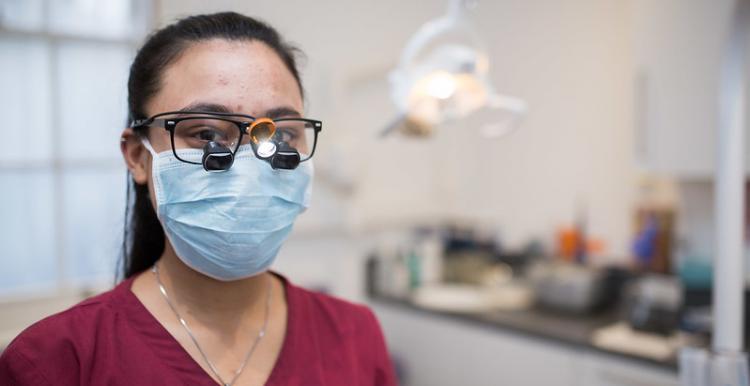
New data gathered by Healthwatch England shows access to NHS dentistry remains a huge problem for the public amid the COVID-19 pandemic.

Healthwatch continues to hear concerns about dentistry which were highlighted at the end of last year in the Dentistry and the impact of COVID-19 report after a 452% rise in calls and complaints over the summer (July – September).
In a follow-up review, Healthwatch looked at 1,129 people’s experiences of accessing dental care received between October and December 2020 and found:
  • Access to dentistry was difficult for more than seven in 10 people (72%), with some people actively seeking dental treatment being told they would have to wait anywhere between a few months to, in one case, two years for an appointment.
  • Access to urgent NHS treatment was difficult for people with painful teeth, with patients being told that dental pain was not considered an “emergency”, and for those who were prescribed multiple courses of antibiotics by NHS 111 without being provided any further treatment.
  • Examples of the extreme lengths some people went to, to get treatment, include calling over 40 practices to find an NHS dentist, and pulling their own teeth out when they couldn’t bear the pain.
  • When dentists couldn’t offer an appointment, they advised people to buy dental repair kits to treat themselves.

The findings come after some MPs and the British Dental Association called on the Government to scrap its new targets for NHS dentists, which require them to deliver 45% of their pre-pandemic levels of dental activity.

There are concerns this is likely to push practices into prioritising appointments such as check-ups over emergency or more complex longer treatments.

Healthwatch’s findings also suggest that patients are being told that although NHS appointments are not available, they can be treated privately. This creates a real barrier for everyone, and in particular for people on low income, to receive vital treatment.

Tell us about your experience of dental care during the pandemic here or text 07413 385275 and one of our friendly team will call you back.

NHS Clinical Research project

NHS Clinical Research project

Can you help the NHS to improve services and treatments for patients?

We are working with NHS England to undertake some research on what patients, current users, non-users and those with specific health issues including cancer, diabetes, heart disease, mental health and genetic factors, think about getting involved with clinical research.

This research will be really valuable in helping the NHS develop new medicines and learn more about better health and care for the future.

We want to know how patients and the public feel about clinical research, how they can get involved in research, what digital access they might need and if there are any barriers in place for involvement.

The survey will run up until Friday 12 February 2021.

Take the survey

This survey is now closed.

Have your say on SEND services

Have your say on SEND services

Northumberland County Council and Northumberland Clinical Commissioning Group are asking for feedback on how to strengthen support for children and young people with special educational needs and disabilities (SEND).

The 2020-2023 Northumberland Strategy for Special Educational Needs sets out the local partnership’s vision for developing and improving the support provided for children and young people with additional needs and their families.

The consultation will run for 7 weeks, from Monday 1 February until Friday 19 March. If you have any queries, please contact 01670 623 960.

This consultation has ended.

Keeping Well for Winter

Keeping Well for Winter

Keeping Well for Winter is a new programme for people with a learning disability and those who support them, to help keep them well this winter. The programme is running from January until Easter 2021 and throughout this time there will be Easy Read information, ways to stay connected and weekly Zoom activity sessions.

Every two weeks there will be a Keeping Well for Winter bulletin with the latest updates and activities. If you would like to find out more or join any of the groups email: Stephen.thompson@skillsforpeople.org.uk

Read the February bulletin

Escape Family Support online workshops

Escape Family Support online workshops

Due to the current lockdown, Escape Family Support has temporarily moved their support sessions online. The situation will be continually reviewed until it is safe to return to face-to-face support.

The sessions will run via Microsoft Teams every Friday from 10am to 12pm. Anyone who is affected by a loved one’s drug and/or alcohol addiction is welcome to join in. Call: 01670 544055 or email: sarah.tannock@escapefamilysupport.org.uk to find out more.

The following workshops are coming up:

22 January 2021 – All About Me Workshop 

Understand the importance of taking care of yourself, learn how to set future goals and learn to change negative thoughts into positive thoughts.

29 January 2021 – Drug and Alcohol Awareness

Gain an understanding of the different categories of drugs and understand the short and long-term effects of drug and alcohol misuse.

5 February 2021 – CRAFT Maintenance Group

CRAFT is an evidence-based programme for families affected by substance misuse. This group allows you to practice the skills you have learned during CRAFT.

12 February 2021 – Anger Awareness Workshop 

Gain an understanding of anger and learn strategies to use when dealing with anger.

Covid-19 and NHS dental care

Covid-19 and NHS dental care

Healthwatch England is calling for action to address widespread issues with access to NHS dental care following an unprecedented surge in concerns. Healthwatch experienced a 452% increase in feedback on the issue in the second quarter of the year, with continuing accounts of people being left in pain, resorting to ‘DIY’ repair methods and in some cases even extracting their own teeth.

The review of 1,300 people’s experiences of accessing dental care found that:

  • More than 7 in 10 people (73%) found it difficult to access help and support when they needed it.
  • Access issues were caused by dentists not taking on NHS patients, as well as conflicting advice from different parts of the NHS about what help is available.
  • Many people were offered treatment if they went private, despite research indicating that 40% of people would struggle to afford private dental care.
  • The impact of not being able to access care led many people to experience pain, discomfort and further complications.

The increase in feedback comes after the British Dental Association reported that treatments delivered by NHS dental services in England are at a quarter of pre-COVID levels, with over 14.5 million fewer procedures taking place.

Laura Floyd, from West Berkshire, was part-way through significant dental treatment when it was cancelled due to the lockdown in March. The new mother explained: “As we went from April to May, I had an abscess develop on the tooth which was still awaiting treatment. I did receive care over the phone and a course of antibiotics which helped ease some of the pain and swelling but this never fully went away, I just lived with it as cautiously as I could. Sadly my eight-month-old wasn’t as cautious when reaching out and grabbing my face!”

Laura, who was entitled to free NHS dental care for 12 months after the birth of her child, did then receive some emergency treatment for a further painful cavity but is still waiting for her main treatment to be completed a year on from her initial diagnosis.

Sir Robert Francis QC, Chair of Healthwatch England, said: “The COVID-19 crisis has impacted on many areas of NHS support but, problems in dental care appear to be particularly acute.

“Even before the pandemic, people were telling us about problems in accessing NHS dental appointments but since the start of the summer these reports have hugely increased.

“If we don’t improve access to NHS dental care, not only do people risk facing far greater dental problems in the future but it also puts pressure on overstretched hospitals and GPs. Untreated dental problems can lead to pain, infection and the risk of long-term harm, which is comparable with other medical conditions.

“Health and care services are working hard to deal with the pandemic, but we believe the Government and the NHS should give more attention to resolving both long-standing and COVID-related issues in dentistry.”

While the report accepts that the overall treatment backlog caused by the pandemic will take time to clear due to limited industry capacity and COVID-related restrictions, it makes several recommendations including:

  • providing more accurate and up-to-date information for patients
  • providing clarity over NHS dentists’ obligations relating to patient registration
  • making more resources available to improve patient access to
    dental care and;
  • reviewing the overall cost to patients of NHS dental care, particularly with a 5% price increase set to take effect before Christmas.

Healthwatch is also calling for people on low incomes who are forced to travel long distances to access dental care to be reimbursed.

Read more on the Healthwatch England website

If you would like to tell us about your experience of accessing dental care during the pandemic you can tell us your story here.

Knowledge gap restricts mental health support to the vulnerable

Knowledge gap restricts mental health support to the vulnerable

Last year we launched the Your Voice Fund, and awarded four small grants to local organisations to run projects with their service users.

These projects are helping us to gather the views of people whose experiences we don’t hear enough about, in particular, people with learning disabilities, people from LGBTQ+ communities, young people, black, asian and minority ethnic communities and people living in Northumberland through asylum or refugee resettlement programmes.

Being Woman, based in Ashington and Blyth, have been using the grant to support a conversation café activity called ‘KITES – when you are your own voice’. People from various ethnic backgrounds and at risk of social isolation have been sharing their ideas, thoughts and experiences of health and social care services.

The latest report from Being Woman shows that there is a knowledge gap restricting mental health support to the most vulnerable people in Northumberland.

A total of 61 people from BAME groups including asylum seekers and refugees were surveyed with questions around general mental health knowledge, services used and proposed future needs. 8 out of 10 people said they didn’t know they could speak with their GP about anxiety, low mood and depression.

Among the suggestions listed by respondents for better knowledge on mental health were leaflets, support groups, translation services, clubs and therapists.

Read the full report here

If you would like to tell us about your recent experience of mental health services give us a call on 03332 408 468 or tell us your story here.

Flu jabs for health and care workers

Flu jabs for health and care workers

Health and care professionals are being encouraged to get their annual flu jab.

If you work in health or care this is the most effective way to protect yourself, your family and those you care for.

This is anything but a typical year and we all want to protect ourselves and those close to us. Due to the potential impact of influenza and Covid-19 it’s now more important than ever to protect ourselves from getting the flu.

The flu virus spreads from person-to-person, even amongst those not showing any symptoms. Frontline workers are at an increased risk of contracting flu and it’s very easy to pass the virus on without knowing. Even if you’re healthy, you can still get flu and spread it to the people you care for, your colleagues and to your family.

Getting your flu jab is simple, easy and free. All you need to do is ask your employer.

The injected flu vaccine given to adults contains inactivated flu viruses so it cannot give you flu. The most common side effect can be a slight temperature or your arm may feel a bit sore where you had the injection. Other reactions are rare.

If you are not a health or care worker but would like to find out more about getting a flu jab visit the NHS website to check if you are eligible.

National Eye Health Week 2020

National Eye Health Week 2020

This week is National Eye Health Week (NEHW). It runs from 21 to 27 September, promoting the importance of good eye health and the need for regular eye tests for all.

David Cartwright, chair of Eye Health UK, the charity responsible for organising the National Eye Health Week (NEHW) campaign explains: “NEHW provides a unique opportunity for everyone involved in optics to join forces and inspire people to take positive steps to keep their eyes and vision healthy as well as preventing avoidable sight loss.

“Delays in people seeking treatment during lockdown and reduced capacity in optical practice mean it’s important that those with greatest need are prioritised. This year’s National Eye Health Week will seek to mobilise those that are experiencing problems with their vision or eye health and encourage them to seek help from their local eye care practitioner.”

Throughout the week watch out for advice about looking after your eyes and the 10 Best Eye Health Habits. These include: eating a healthy, balanced diet, not smoking, watching your weight and wearing sunglasses to protect your eyes from UV damage.

Each day of the week will feature a different theme. Themes for 2020 include: Ageing eyes, screen use and kids’ eye health.

Visit the Vision Matters website for top tips and resources to look after your eyes including a podcast, new online eye health calculator and vision simulator.

If you notice a change to your vision or have any concerns about your eye health contact your local optician.

Why not tell us about your local optician to help improve services. How was the service your received? Did you struggle to get seen during lockdown? Tell us your story here.