Annual Report 2020/21

Annual Report 2020/21

Find out what we got up to in the last 12 months in our . Read about the highlights of our year including our work on care home visits and how we worked with others to get results.

There are also examples of how our Information and Signposting service helped individuals, and how our fabulous volunteers continued to support us and our communities through the pandemic.

There are lots of fantastic Northumberland photos inside too!

If you’d like to tell us about your experiences of care or have a query for our Signposting and Information Service, please get in touch.


View the Healthwatch Northumberland Annual Report 2020/21


Care home visits in Northumberland

Care home visits in Northumberland

Our public forum on care home visits in November produced some really interesting and insightful discussion. We talked about how people are keeping in touch with loved ones in care homes during the pandemic, the effect on those in the homes, particularly those with dementia, and the effect on relatives, plus what would help, going forward and throughout the winter to make the situation easier.

Further to the issues raised at the forum, where people told us they were unclear on what care homes can or can’t do in terms of visits, we asked Liz Morgan, Director of Public Health in Northumberland for information. She shared the guidance on visiting that has been sent to every care home in the county, which can be found below.

We are hoping to hold another Zoom forum around these visits in the coming months, and in the meantime please keep sharing your experiences of care home visits.

Tell us your experiences of:

  • Using video calls (FaceTime, Zoom etc.) or telephone calls – does the home support these? How many times a week and how long? Does a member of staff help your loved one with the call?
  • Socially distanced visits – does the home support ‘window’ visits.  How many times a week and how for long?
  • How does the home keep you informed about how your loved one is getting on (apart from necessary issues about their care or health), for example, manager updates, photographs, videos
  • Does the home have a programme of group and one-to-one activities? Has your loved one taken part?
  • Has the home asked you what, within the current restrictions, would make this time easier?
  • What, within the current restrictions, would make it better for you and your love one?
  • When restrictions are eventually eased (not totally lifted) what would help you and your loved one?

Get in touch

Care Home Guidance on visits November 2020

Letter to Care Homes November 2020

Let’s Talk: Audiology Services Report

Let’s Talk: Audiology Services Report

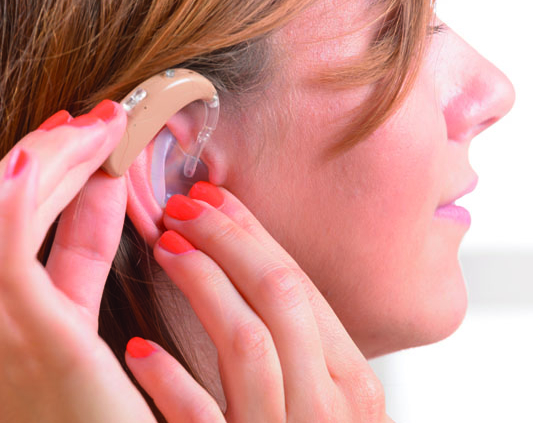
After receiving significant feedback from people in Northumberland about the end of the Hear to Help service provided by charity Action on Hearing Loss, we decided to investigate the potential impact on service users.

Hear to Help was a drop-in service delivered in community locations including libraries and GP surgeries. The drop-in service provided advice and information for people experiencing hearing loss, as well as performing general hearing aid/s maintenance, such as replacing tubes and batteries.The Hear to Help service stopped on 30 April 2019.

Feedback we received suggested that some people appreciated the service and did not want it to be withdrawn. We took a deeper look at the impact, if any, of the withdrawal of this service and to build a greater awareness and understanding of what people in Northumberland want and need in services to support with hearing loss.

It should be noted this work was done before the Covid-19 pandemic and the resultant change to services. However, the issues raised by respondents, particularly about communication, remain relevant now and in the future.


Aims

We wanted to find out:

  1. What do people in Northumberland think of audiology services?
  2. What audiology services are available for the people of Northumberland?
  3. What is good about audiology services in the county?
  4. What could be better about audiology services in the county?


Summary

Location of hearing loss services was a key area of discussion

  • More than 50% of people we asked said it was easy for them to travel to an audiology clinic
  • Some people were happy they did not need to travel to Newcastle
  • Some people said the clinic was in a bad location with accessibility issues, seasonal transport issues, and public transport combined with limited clinic opening hours
  • People who found it easy to access clinics used a range of different transport modes
  • We are unlikely to have heard from the most isolated, vulnerable people in the county People who live rurally, with mobility issues, or limited social networks, and lower incomes, are likely to find it hardest to access hearing care clinics
  • Some patients were supported by a carer or friend to attend a clinic or understand their care – a gap for patients in accessing or receiving hearing care independently
  • Few people told us they used patient/community transport services to access a clinic

Information about and awareness of services was another key area of discussion

  • We signposted people to: transport services, audiology clinics, and voluntary groups (like Carers Northumberland), showing a lack of awareness/information availability
  • Some people were aware of hearing aid/s battery locations, whilst others were not
  • One patient spoke about an information form given with their hearing aid/s used to support them to live with hearing aid/s. Contrastingly, 48% of people said they had not been offered training, advice, or support for living with hearing loss
  • Some people believed the onus was on the person experiencing hearing loss to ask rather than professionals to let them know what support was available
  • 10 of 11 people in our focus group did not know of the hearing aid/s postal service
  • Some people were not physically able to clean or retube their own hearing aid/s due to dexterity problems, vision impairment, or not feeling confident enough
  • 23% of people we asked agreed they had felt isolated as a result of their hearing loss

Drop in vs appointments

  • Most people preferred drop-ins to appointments, finding them easier or more convenient
  • In our focus group most patients preferred appointments to drop-ins
  • Many patients were satisfied with the current audiology appointment system
  • Interestingly patients gave similar reasons for their preference of either appointments or drop-ins – ease of managing transport arrangements as a priority
  • 42% of patients would like to be told it was their turn to be seen by someone calling out their name. Some patients liked the idea of having a board with their name on
  • 62% of patients we spoke to agreed the waiting time for their appointment was reasonable 71% of people agreed their appointment gave them ‘time to talk’
  • 52% of people said they had their hearing aid/s serviced at the right time for them

Regular hearing aid/s maintenance and NHS audiology services

  • People were positive about the quality of care provided in audiology clinics. People praised the staff and were satisfied they got what they needed from the service
  • It is advised that hearing aid/s tubing is replaced every three to six months. 42% of patients had their hearing aid/s maintained in the last six months, and 46% had not
  • Many people we spoke to were able to clean and change batteries in their hearing aid/s but could not change their tubes
  • Some patients said they had waited a while to receive their new hearing aids
  • People told us that not all hearing aid/s batteries/tubes were available everywhere
  • Some patients said they found face to face communication easiest. Many services now offer a phone appointment system, a barrier to people with hearing loss

Hear to Help service

  • Hear to Help was an important service for people experiencing hearing loss
  • People at the Bell View focus group said the service had helped to show them how to maintain their hearing aid/s, and given them tube cleaners

Read the Full Report

Virtual NHS consultations

Virtual NHS consultations

recent survey for the British Medical Association showed that 95% of GPs are now offering remote consultations and 88% want to see greater use of them continue in the future.

Whilst people previously told us that they welcome the idea of the NHS making better use of new technology to help make care more convenient, people’s experiences of telephone, video, and email consultations to date have been more mixed.

For some, they are working well, and many previously sceptical individuals have been converted following a positive experience. For others, these types of appointments have introduced new barriers to care.

So how can we make sure that this revolution in the way care is delivered works for everyone?

What makes a virtual appointment good?

Last week Healthwatch England published the findings of some rapid research conducted in partnership with Traverse and National Voices. Involving people who have had a virtual consultation during the pandemic, this report provides useful insights for NHS services and individual clinicians.

Key findings and recommendations

Arranging a virtual consultation:

  • Feeling safe and comfortable – It’s important for people to feel safe, comfortable and that they have a confidential space in which to talk about their medical concerns. Most of those we spoke to hadn’t received any information in advance about how the appointment would work or what they could do to help. It would be useful for patients to be alerted to this fact beforehand so that they can prepare for their appointment.
  • Making the benefits known – Secondly, to realise the benefits of people not having to travel to appointments, patients need a reasonable time window for their appointment. Where people are not given this, it leads to increased frustration, with missed calls or unexpected delays creating anxiety.
  • Getting the format right
    Most of those we spoke to had telephone consultations, but a significant number felt that video would have been better.

We heard examples where people’s level of digital literacy had not been assessed before the appointment. There were also examples discussed where people felt remote consultations would never be appropriate, such as delivering bad news following a diagnosis.

During the appointment itself

Giving people the time they need

Whichever form of remote consultation is used, people were clear that it must not mean a compromise on the quality of the interaction. Appointments must not feel rushed, patients need to feel listened to and clinicians must have all the information they need to hand.

“I didn’t know what to expect. The physio created space to ask about how I was doing. I felt heard and was able to ask questions. It was refreshing. A normal physio session would be in a crowded room, five minutes instructions, you practice the movement, they pop back after seeing other people and ask you how you are getting on, it’s rushed. I see about 15-20 health professionals a year and this is the most person-centred session I have had.”

– Maria, physiotherapy patient.

Test, learn and improve

Seek feedback

As with any significant change it is important to seek feedback and to learn from what works and what needs improvement. Yet most participants in our research reported that they weren’t asked for feedback about their remote consultation experience.When we asked them for suggestions, they identified many ways in which remote consultations could be made better. For example, enabling sessions to be recorded and played back later so people can confirm they have understood, or introducing closed captioning to help those with hearing loss.

Overall, one of the biggest learning points was around quality. While some people in the health and care system may see remote consultations as a way of delivering care more efficiently, it is clear that any impact on quality will likely see a significant drop-off in people willing to access care in this way.

Getting the most out of the virtual health and care experience

Quarterly Report – January to March 2019

Quarterly Report – January to March 2019

Introduction

Healthwatch Northumberland is the independent champion for people who use health and social care services. We are a listening organisation working across Northumberland,to find out what people like about services and what can be improved. We act on what people are saying, sharing their views with those who have the power to make change happen. We also help people find the information they need about services in their area and record this as ‘signposting’.

People who use health and social care services tell us about their experiences throughout the year. This report shares a summary of the feedback collected from January to March 2019.  The next report will cover April to June 2019.


This quarter we received feedback and enquiries from:

  • Talking to people at local community events (18%)
  • Telephone calls, emails and social media (55%)
  • Surveys and Feedback forms (21%)
  • Through meetings and third parties (6%)


Areas of Focus

We are open to all feedback about health and social care services. Responses to our Annual Survey helped us to identify three specific areas of focus which we are prioritising in 2019:

  1. General Practitioner Services (GP Services)
  2. Mental Health Services, including dementia care
  3. Access to Services

Aims

The report aims to increase understanding of:

  • Who Healthwatch Northumberland is hearing from
  • What people are saying
    • The general sentiment of comments
  • What people are experiencing
    • What is working well?
    • Where there are areas for improvement?

Read the January to March Report in full


A Practical Guide to Healthy Ageing

A Practical Guide to Healthy Ageing

NHS England, in partnership with Age UK, Public Health England, and the Chief Fire Officer’s Association and older people themselves, has published a Practical Guide to Healthy Ageing.

The guide helps people to stay physically and mentally well by providing hints and tips on how to keep fit and independent. It recognises, as we all should, that there is always something we can do to improve our health and wellbeing. For older people who may be starting to find things more difficult to do, it is particularly important to take active steps to slow down or reverse some of the health challenges we are all likely to face.

To help people understand their potential risk of living with frailty, the guide includes a simple, walking speed test. Taking more than five seconds to cover a distance of four metres is highly indicative of frailty, with the proviso that there is no obvious alternative reason for walking slowly such as a previous stroke or knee/hip arthritis. This is not meant to be a diagnosis, but it can provide a good indication that someone should consider making changes to their daily lives so that they can better manage their frailty or reduce the chance of it becoming more serious.

Download the Guide

Our response to the decision to close inpatient beds at Rothbury Hospital

Healthwatch Northumberland would encourage anyone with an interest in the future of health care in the area to contact us with queries or concerns, or to raise them directly with the review group examining proposals for the hospital.


Update November 2018: The Independent Reconfiguration Panel (IRP) has responded to the Northumberland Clinical Commissioning Group regarding the engagement and consultation process undertaken around the decision to close the inpatient ward at Rothbury Community Hospital and reshape the existing services around a health and wellbeing centre. The IRP concludes that “further action locally is required to agree and implement the proposed health and wellbeing centre at Rothbury Community Hospital”. The full letter from the IRP can be read here.


A great deal of concern has been expressed by people within Northumberland about the decision taken on 27 September 2017 by the Joint Locality Executive Board to close the 12 in-patient beds at Rothbury Community Hospital.

Having considered the information circulated prior to the Joint Locality Executive Board and representatives having attended the meeting, board members of Healthwatch Northumberland saw justification in responding to the Clinical Commissioning Group (CCG) in a letter forwarded on 5 October 2017. This was followed one week late by a response from Janet Guy, Lay Chair of the CCG. Both letters can be found below for your information.

The County Council’s Overview and Scrutiny Committee discussed the in-patient bed closures on 17 October and decided to refer the matter to the Secretary of State for Health. His decision is awaited with interest. In the meantime, Healthwatch Northumberland will continue to act as an independent champion to ensure the interests of the wider community remain at the heart of all decisions made about health and social care throughout the county, by listening to the views of local people and engaging in meaningful dialogue with the CCG.

David Thompson, Healthwatch Northumberland Chair.

Letter to the CCG re. Rothbury Hospital

Response from the CCG re. Rothbury Hospital


Please note: Any response to news items by individuals or organisations are the views of those posting the response.  They do not reflect the view of, nor are they solicited by Healthwatch Northumberland unless this is explicitly stated in the news article.