What you told us: October 2023

What you told us: October 2023

Health and social care feedback Northumberland October 2023

This month the biggest issue, apart from difficulties getting an appointment at GP practices, has been poor communication by services. This is around prescriptions in particular, and the communication between patient, GP practice and pharmacy. There have also been communication issues with other services either not communicating with the patient or with each other, which has adversely affected the patient.

What did we get up to?

October was a busy month with an increased number of one-off sessions and events on top of our regular Here to Hear events. We were at Choppington Disability Group’s AGM, Blyth Wellbeing event, Silver Sunday and Mental Health Celebration event (also in Blyth), and Alnwick Garden’s Wellness event, all of which have been well attended and have enabled us to speak to many more people than usual.
Our AGM and listening event at East Bedlington Community Centre was well-attended and we received lots of positive feedback from guests.

This month’s online session on self-harm from Battle Scars was very popular, with our highest ever attendance since we began these sessions.

We ran an online campaign asking people to tell us what they think about their local pharmacy which generated a lot of feedback, almost exclusively positive, with many glowing references to Allendale
Pharmacy. This meant that for the first time since we started the monthly reports in July 2022, we received more positive feedback than negative.

Find out more in our October 2023 feedback report

The public’s perspective

The public’s perspective

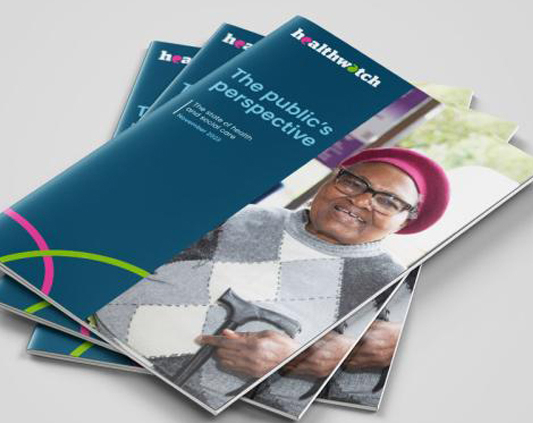
Recommendations from Healthwatch England’s report ‘the public’s perspective

As part of Healthwatch England‘s report’ The public’s perspective: The state of health and social care’, recommendations for decision makers across ten key areas have been set.

We want to see teams across the health and care system get the support they need to deliver services that work for everyone.

And we’re calling for more to be done to help services create better listening cultures, and to understand access barriers, health inequalities, and people’s experiences of care.

You can read the full report, or just read the recommendations below.

Healthwatch is calling for improvements in:

1. Getting a GP appointment  

We want to see:

  1. All GP surgeries move to digital phone systems by the end of March 2024, so patients spend less time waiting on hold
  2. Greater public awareness of, and sign-ups to, the NHS app, through the promised national communications campaign
  3. Most patients able to benefit from full NHS app functionalities by the end of March 2024
  4. Evidence that Integrated Care Boards plan to tackle health inequalities around GP access, especially in deprived areas
  5. All GP practices offering free phone numbers
  6. All GP practices sign up for the Register with a GP Surgery Service, which makes registering with a surgery easier for patients, particularly those with no fixed address or ID

2. Getting dental treatment  

The upcoming dental recovery plan must:

  1. Set out a clear vision for improving patient access to a local NHS dentist that provides preventative and emergency care
  2. Incentivise dentists to provide more NHS work, through major changes to the contract introduced in 2006
  3. Conduct a national assessment of the needs and gaps in oral healthcare for diverse populations
  4. Ensure Integrated Care Boards listen to local communities, include dental representatives in their decision-making, and use all opportunities to join up dental care with other local NHS and public health services
  5. Mandate collection of specific data to track the access and experience of people facing the worst barriers to care

3. Getting mental health support  

We’re calling for:

  1. Provision of early or ongoing support through additional staff roles at every available opportunity. This includes through mental health practitioners, peer support workers, and school-based teams
  2. A parity of esteem definition that puts mental and physical health services on equal footing. The government must publish this as soon as possible
  3. The Major Conditions Strategy to include a roadmap that:
    1. Reduces mental health waiting times for assessments, treatment, and crisis support
    2. Improves transitions from child to adult mental health services, based on need, not just age
  4. The Draft Mental Health Bill to be amended and pushed through without delay. The bill aims to ensure patients get more say over their treatment, improve access to advocates, and place a duty on doctors to consider patients’ wishes before deciding on compulsory treatment. It also aims to reduce the disproportionate number of Black people who are sectioned
  5. Bespoke training for NHS staff, to equip them to better understand the needs of young people with learning disabilities and autism

4. Cancer care

People need:

  1. First appointments that meet their preferences and needs, including longer appointments where necessary
  2. Improvements to online referral trackers, so they can understand what is happening with their care
  3. Personalised aftercare support, including post-treatment plans, appropriate home adaptations, and a single point of contact with care teams

5. Waiting for elective care 

We’re calling for:

  1. More proactive NHS communications with patients while they wait for treatment
  2. Single points of contact, either in person, over the phone, or via the NHS App, so patients waiting for care can give feedback about issues or changes in their condition
  3. More personalised support for those waiting, such as access to pain management, physiotherapy, and mental health support
  4. Transport and accommodation costs to be covered by the NHS where patients choose to travel for quicker treatment at another NHS setting
  5. Better use of all available data sources, to reduce last-minute cancellations and understand what drives non-clinical, clinical, and patient-led reasons for NHS delays

6. Social care     

We want to see:

  1. A renewed focus on implementing previously announced reforms to cap the amount people can spend on social care costs over their lifetime
  2. Further reform announcements to boost investment in services, address workforce challenges, and support councils to provide proactive social care information and advice services which cover both pre- and post-assessment
  3. People in health and care settings given a legal right to a Care Supporter – a person important to them, like a relative or friend – who can visit to provide emotional support, advocacy, and essential human contact

7. Hospital discharge

We’re calling for:

  1. An urgent focus on workforce and capacity solutions in secondary care and social care
  2. More consistent implementation of latest hospital discharge guidance, including:
    1. Support to help people make informed choices, by providing contact information and advice, and asking about transport home
    2. Better signposting to support services, such as voluntary organisations and services that support unpaid carers
    3. Clear responsibility for who will arrange people’s transport home, with dedicated staff to make travel arrangements
    4. Single points of contact for people to use if their condition gets worse
    5. Greater involvement of family and carers in decisions about discharge

8. Cost of living

We’re calling for:

  1. Over-the-counter medications to be offered on prescription for patients eligible for free prescriptions, and for those struggling financially who pre-pay for prescriptions
  2. Clearer information about annual and pre-pay prescription options
  3. NHS England to restart their review of the health travel costs scheme and introduce a reimbursement scheme that covers travel to primary care appointments
  4. Inclusion of GP phone numbers in the freephone service
  5. Healthcare benefits that keep pace with inflation in real terms
  6. Extended Statutory Sick Pay for those on NHS waiting lists

9. Digital transformation

As services move towards more digital ways of working, we want to see:

  1. Traditional models of access and care to remain alongside digital methods
  2. Patients involved in designing new technological solutions
  3. Built-in patient education (tutorials, how-to guides, digital community champions) with any new digital healthcare rollouts
  4. Funded, accessible community courses or training for those with low digital literacy
  5. A universal right to internet access, with cross-government action to work towards this

10. Accessible information   

Following our Your Care, Your way campaign, we’re calling for:

  1. Action by Integrated Care Boards to ensure providers implement the Accessible Information Standard (AIS)
  2. Routine checks of AIS compliance during Care Quality Commission inspections
  3. All health and adult social care providers to undertake the new voluntary self-assessment of AIS compliance, and work with local Healthwatch and people with extra communication needs on ways to improve accessible information

Visit our feedback page to leave your thoughts on the report, or the health and social care services you have used.

Stay well this winter

Stay well this winter

Tips to help you stay well this winter and get the care you need

Winter comes with a higher risk of health issues, particularly for older people or those with long-term conditions and compromised immune systems.

Being cold can raise the risk of higher blood pressure, heart attacks and strokes. The cold, damp weather can aggravate existing health problems, making you more vulnerable to respiratory winter illnesses. But there are things you can do to stay well.

Top tips to stay well from the NHS

  • Get your vaccines and boosters. Protect yourself and others by getting your COVID-19 booster and flu vaccination.
  • Keep warm during the day. Wrap up in lots of layers of thin clothes, even when you go to bed. Keep doors closed to block draughts. Try to heat rooms you regularly use to at least 18°C. Make sure you’re getting the help you’re entitled to with your heating costs.
  • Keep moving. Move around indoors and try to get outside for a walk. Avoid sitting for more than one hour.
  • Wrap up at night. Wear layers to bed, including socks. Use a hot water bottle or an electric blanket. (Don’t use a hot water bottle and electric blanket together.) Keep your windows closed at night.
  • Eat well. Make sure you eat a balanced diet with lots of seasonal fruit and vegetables. And try to eat at least one hot meal a day.
  • Stay hydrated. Regular meals and hot drinks can help you keep warm.
  • Have your medication on hand. Make sure you have the right medicines at home in case you get poorly. Ask your pharmacist if you’re not sure what medications you should have.
  • Stop the spread of germs. Protect yourself and others by washing your hands with warm, soapy water, covering your mouth when you cough or sneeze, and wearing a mask in public spaces.
  • Look after your mental health. The winter months can take a toll on our mental wellbeing, so make sure you’re looking after your mental health, just as you do your physical health. If you are feeling down, speak to someone – a friend, family member, or a healthcare professional like your doctor.

Need more advice?

Want to learn more about how to look after yourself this winter? Visit these websites for more useful information.

Online event – NECA Gambling Support

Online event – NECA Gambling Support

Online event – NECA gambling support

Join us to hear from Amanda Sutcliffe from NECA who will talk to us about gambling, understanding signs that gambling may have become harmful and the first steps in making changes. She will also outline the gambling information, advice and support provided by NECA across Northumberland and the North East. There will be a chance to ask questions.

This session is suitable for anyone concerned about their own or a loved one’s gambling or professionals supporting people where gambling may be a concern.

This event has now passed

Sign up to our newsletter to hear about future events.

How are you feeling? campaign report

How are you feeling? campaign report

How are you feeling? Linking with young people in Northumberland

Like many organisations, Healthwatch Northumberland wants to be better at hearing directly from young people about their experiences of healthcare. In spring 2023 we developed a campaign with the help of young people, entitled ‘How are you feeling?’ to gain an insight into the actual state of children’s and young people’s health and wellbeing in Northumberland.

The project was led by our high school student volunteers. They designed and piloted a survey, an explainer video and promotional materials as part of the campaign to ensure it was attractive to young people. We worked with secondary/high schools and colleges in the county to promote and distribute the survey to their students, and also promoted the campaign more widely. An accessible version of the survey was also made available.

Who did we hear from?

We had a total of 651 responses from young people aged between 13-24 years old. Most of the respondents to the survey were aged 13-15 years old. Over two fifths of the respondents were aged 13 years with just under a fifth of the respondents aged 14 years old and approximately a fifth were aged 15 years old.

Conclusions

Based on the findings from our campaign, those young people of Northumberland aged between 13 – 15 years old are generally happy in themselves. Respondents to our accessible survey were even happier overall than the respondents to the main survey. Both sets of respondents also feel happy with the service provided by the NHS but there were concerns about the length of waiting times. However, there was some ambiguity in the answers whether that was the length of time spent on a waiting list to receive an appointment or the length of time spent waiting at an actual appointment.

Read our report: How are you feeling? Linking with young people in Northumberland.

Where to get urgent healthcare Northumberland

Where to get urgent healthcare Northumberland

Where to get urgent healthcare if you live in Northumberland

Accident and Emergency departments in our area are already seeing large increases in the number of visitors as we head into winter. Unless the issue is potentially life-threatening, consider using one of the Urgent Care Centres or Minor Injuries Units in the region. Here you can be treated for things such as cuts, strains and bites and children’s minor ailments. Remember that pharmacists can give advice and some medications without an appointment. If you’re unsure of where to go, NHS 111 can point you in the right direction.

Opening times

Urgent Care Centres

  • Wansbeck General Hospital (Ashington): 8.00am-10.00pm
  • Hexham General Hospital: 8.00am-10.00pm
  • North Tyneside General Hospital: 8.00am-12 midnight

Minor Injuries Units

  • Alnwick Infirmary: 7.45am to 8.30pm
  • Berwick Infirmary: 24 hours

For advice on and support with children and young people’s health, visit the Healthier Together website. You can find lots of information about NHS and community services on our Find Services webpage.

What you told us: September 2023

What you told us: September 2023

Health and social care feedback Northumberland September 2023

This month we heard from 268 people about health and social care services; either as a service user, or a carer or family member. The main issues were around getting a GP appointment and getting through to the surgery on the telephone. We did however hear a lot of praise for the quality of care once seen by healthcare professionals at the surgery.

We also heard that some people are not receiving all of their prescription medication from the pharmacy, where there are issues with supply. The third main area we had feedback on was mental health services, and how getting an appointment can be difficult, and communication could be better.

What did we get up to?

As well as our regular Here to Hear drop-ins in East Bedlington, Blyth, Morpeth, Prudhoe and Alnwick, we were out and about hearing from people at other events including a SeaFit event in Amble with the Fishermen’s Mission, Northumbria Cancer Patient and Carer Group’s Health and Wellbeing event in Haltwhistle, Queen Elizabeth High School Freshers’ Fair in Hexham and a drop-in session in Newbiggin.

Find out more in our September 2023 feedback report

NHS dentistry explained

NHS dentistry explained

The King’s Fund explains more about NHS dentistry in England.

What is NHS dentistry?

NHS dentistry provides treatment that is clinically necessary to keep mouths, teeth and gums healthy and free of pain and includes primary, community, secondary and tertiary dental services. In 2021/2022 the NHS contribution to dentistry was about £2.3 billion.

How is NHS primary care dentistry organised?

Primary dental services are one of the four pillars of the primary care system in England, along with general practice, primary ophthalmic services (eye health) and community pharmacy. These services use a ‘contractor’ model of care, which means that almost all NHS primary care services are delivered by independent providers contracted to the NHS.

There are around 11,000 independent dental provider practices in England, private businesses that provide a mix of both NHS and private dental care. About three-quarters of these hold contracts to provide NHS services. These practices might be dentists working as individuals or in partnerships or small businesses, although there are also a small number of large corporate dental providers. Dental providers who have a contract to provide NHS funded dental services can also offer private treatment to their patients. All dental practices must be registered with the Care Quality Commission.

There is no national registration system in dentistry like there is in general practice. People do not need to be registered with a dentist to receive NHS care and should be able to go to any dental practice that holds an NHS contract for treatment, without any geographical or boundary restrictions. Dental practices can choose whether they provide NHS treatment to new patients depending on whether they have capacity under the terms of their contract (see below).

Once a patient is accepted for an assessment of their treatment needs the practice cannot refuse to complete the course of treatment. Once the treatment is completed, the dental practice does not have ongoing responsibility for their dental care, though some NHS treatments, such as fillings, crowns and inlays, are covered by a 12-month guarantee. Dental practices have patients they regard as ‘regular attenders’ for the purposes of planning recall appointments. Dental practitioners can prescribe any items listed in the dental practitioners’ formulary, and can issue both NHS and private prescriptions.

Community dental services provide dental care for patients (adults and children) with more specialist needs. This might include people who need services such as general anaesthetics or sedation, orthodontics, or adults and children with particular needs such as physical or learning disabilities, medical conditions, people who are housebound and people experiencing homelessness. Community dental services are provided in a range of settings including mobile clinics, people’s own homes or care homes, hospitals and specialist health centres.

Most secondary care dentistry is provided by NHS hospitals, including the 10 NHS specialist dental hospitals in England. It includes services such as complex oral surgery, oral and maxillofacial pathology, dental and maxillofacial radiology. Secondary and tertiary care dental providers have an important role in providing dentistry training and may also provide emergency primary care dentistry.

Read the full article on The King’s Fund website

Share with us your recent experiences of NHS dental care

Planning underway for Felton surgery

Planning underway for Felton surgery

Northumbria Healthcare NHS Foundation Trust has announced that a planning permission application has been submitted to build the long-awaited new GP practice in Felton. In a letter to patients, the trust said:

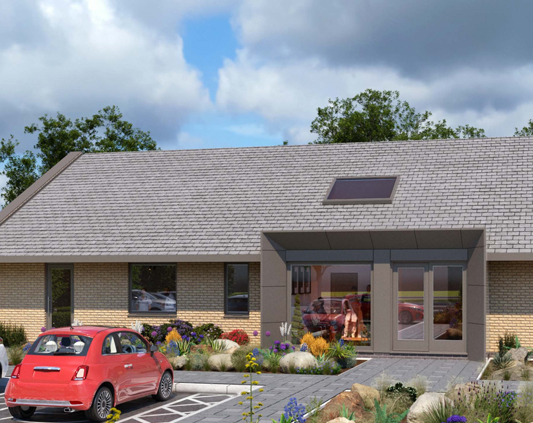
As you will be aware, the new surgery has been in the pipeline for a few years now, and this latest positive step follows an engagement period where patients and stakeholders were able to give feedback on plans. Patient and feedback from others demonstrates that most people welcome the new surgery and the improved patient care and experience that it will enable. It will also provide staff with a much more suitable and modern environment to work in. The current surgery, on Main Street, is small and housed in a converted farm building. The new and spacious site will be located less than half a mile away on Robson Grove.

Northumbria Primary Care’s commitment

 Felton and Widdrington surgeries (Northumberland Health) became part of Northumbria Primary Care (NPC) in July this year. NPC, which was formed in 2015, is a partnership of ten GP practices and is a wholly owned subsidiary of Northumbria Healthcare NHS Foundation Trust. Patients should be assured that NPC is committed to providing excellent patient care and experience. We are also always looking at ways to improve patient access as we know how important this is, especially in rural areas. We are looking at services that will be provided from our new surgery, which will include GP cover and we will of course keep everyone updated. We encourage people to continue to give feedback on this via the Assura engagement microsite or speak to someone in the practice.

The new surgery is to be built by national primary care premises specialist, Assura. The building will be a fantastic environment to provide vital primary care services for patients in Felton and surrounding areas. It will also be a welcoming and modern space and, very importantly, provide access for people with disabilities. The building will be 280 square metres (GIA) and consist of reception and dispensing areas, a comfortable waiting room, five consultation rooms and space for staff training. There will be space for an ambulance to park outside the front of the surgery, 20 car parking spaces and secure storage for bicycles.

Assura has adopted Passivhaus design principles to ensure its environmental impact is minimal. Meaning ‘passive house’ in English, these principles refer to creating buildings that maintain an almost constant temperature, ensuring energy efficiency. By adopting Passivhaus design principles, we’re ensuring that the Felton surgery will lead the way in the design of primary care facilities while harmonising with its surroundings – something so important in a rural community.

Planning decision and construction time-line

 The planning decision is expected by the end of this year. Subject to planning permission, it is hoped that construction will start in early 2024, with the surgery being operational by Summer of 2025. Please be assured that both NPC and Assura will ensure patients and stakeholders are kept informed as this project progresses. We will do so via practices, digital channels, texting patients and also via community groups, where appropriate. More details on the development can be found on Assura’s dedicated microsite including a FAQs document. View the full planning application.

 Additional patient information

 We have had feedback that people are concerned that Widdrington will close as a result of building a new surgery – this is not the case.

The electronic prescription service is now live. This allows prescribers to send prescriptions electronically to a pharmacy of your choice – including on-line pharmacies. You still have the option to collect your prescription from Felton.

We continue to review the services we provide from Felton and would like to continue to hear any suggestions/views via the Assura portal.

We will be launching a new practice website for Felton and Widdrington and will let patients know when this goes live.

If you have any queries, please contact northumberlandhealth@nhs.net.

if you would like share your views with us please get in touch.

Children’s sensory processing service

Children’s sensory processing service

A new website from the Children’s Occupational Therapy Sensory Processing Service has now been launched. The service is delivered by Northumbria Healthcare NHS Foundation Trust and is based at Wansbeck General Hospital.

Northumberland Parent Carer Forum worked closely with the team at Northumbria  to help build the website, how it might look, what information would be useful and how that should be presented.

What is the Children’s Occupational Therapy Sensory Processing Service?

The overall aim of the service is to support parents, carers, education staff and other professional groups to understand how sensory processing can impact on daily life, providing information on how to modify activities and the environment to support participation in activities of daily life for children and young people with sensory processing challenges.

Who is the service for?

Children and young people who are experiencing day-to-day difficulties with processing sensory information can access Northumberland’s Sensory Processing website for support, strategies, and information. If additional support is required a referral can be made to the Occupational Therapy service where parents / carers will be offered an initial telephone consultation. Referrals to the service must be completed by an approved professional and meet the following criteria.

  • The child/young person is aged 0-18 years, or 19 years if still in full time education and living in Northumberland.
  • The child/young person is registered with a Northumberland GP.
  • Parent/carer consent has been obtained for the referral.
  • Sensory processing strategies have been trialled to help improve engagement in daily living activities but have not been fully successful and further support is required.
  • Sensory processing challenges continue to have a significant and ongoing impact on mental health and/or physical wellbeing in relation to participating in daily living activities.

Visit the Children’s Occupational Therapy Sensory Processing Service