Improving patient discharge

Improving patient discharge

From hospital to home: Improving patient discharge

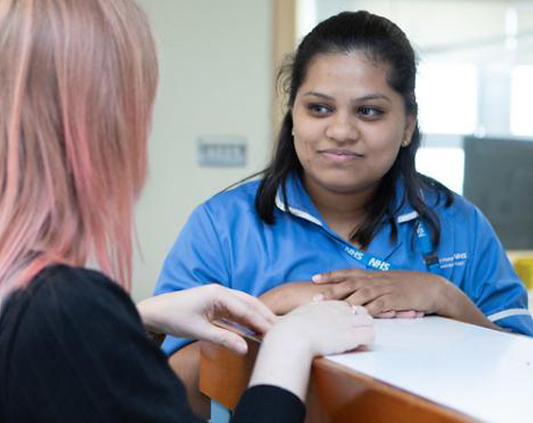
Every winter, the NHS is under pressure to free up beds. However, getting hospital discharge wrong can harm both patients and services. Healthwatch England looked at what people have told them about leaving hospital, and the lessons the NHS can learn to improve the support patients get.

In 2023, Healthwatch England’s research found worrying problems with people’s experiences of hospital discharge. People said the NHS didn’t give them proper support or information. Two years later, a review of people’s experiences of hospital discharge indicates that many of the same problems are still occurring.

Why safe hospital discharge matters

When the NHS correctly discharges patients from a hospital to their homes or another care facility, it can aid their recovery and free up beds for new patients. But for this to happen, hospitals are supposed to ensure that patients:

  • are medically fit to leave the hospital
  • have the information they need
  • have any care and support they need in place
  • are involved in the planning.

However, getting the discharge process wrong causes problems for both the patient and services. If patients are discharged too early without proper support, they may have to be readmitted to a hospital or seek help from GPs or pharmacies.

Meanwhile, delays in discharging medically fit people create issues for new patients needing beds, leading to longer wait times in A&E and treatment in corridors until beds are available.

The importance of being involved in plans

NHS guidance on hospital discharge states that the NHS should support patients and their relatives and carers in making fully informed decisions about the care and support they receive on discharge from a hospital, where appropriate.

However, people have told us about not being involved in discharge planning and the inappropriate decisions this can result in. Examples include:

  • Hospital staff taking patients with dementia at their word when they say they don’t need support at home.
  • Relatives not being consulted about moving patients to care homes when care packages were already in place.
  • Hospitals assuming relatives could care for patients on discharge or transport patients home without checking first.

The consequences of poor timing

NHS discharge guidance states that people should be discharged to the right place, at the right time, with the proper support to maximise their independence and lead to the best possible outcomes.

However, we have heard about people leaving hospitals without everything in place. People have told us the NHS has discharged them:

  • Before seeing a consultant
  • Before being properly diagnosed
  • Without any follow-up care in place
  • Without medication or information about how to manage at home.

As a result, some people experienced severe consequences, including further medical complications. In some cases, the NHS had to readmit people to the hospital.

In other cases, people described their discharge as delayed as they had to chase up the hospital for information on self-care and medication or because they were waiting for social care. This can have knock-on consequences.

The importance of clear information

People have told us about being given poor or limited discharge information on how to cope once at home and how to care for themselves. We heard about:

  • Information that was inappropriate to their needs or made outdated assumptions.
  • A lack of or limited information on administering medication by injection or changing catheters.
  • Discharge letters that gave inaccurate information about someone’s condition.

The impact of a good experience

Research from Healthwatch Oxfordshire found that people value support and care from health professionals, good communication, being involved in decision-making, and effective follow-up and aftercare.

Positive stories about discharge care include:

  • Appropriate and helpful information on how to care for themselves.
  • The post-discharge support they need, including equipment to help cope at home and visits from community teams.
  • Support from voluntary organisations, including a home visit on the day of discharge.

Steps that will improve hospital discharge

Current winter pressures and the high demand for hospital beds result from multiple factors affecting NHS and social care teams. However, several steps could help ensure more people have a safer hospital discharge experience.

  1. Follow existing guidance: NHS England’s next Urgent and Emergency Care Recovery Plan should ensure that Integrated Care Boards (ICBs) ensure that services follow existing hospital discharge guidance.
  2. Review secondary care workforce: ICBs should also focus on workforce solutions in secondary care.
  3. More resources for social care: The government has announced plans to review social care challenges. However, in the short term, more resources are needed to ensure that councils and providers have the necessary staff, skills, and resources to support individuals in living independently.
  4. Better data on hospital discharge: To ensure people are not rushed out of hospital when they’re not ready and that processes are working for patients, we are calling on the NHS to restart the collection of daily emergency readmissions data and publish this data monthly. Minimum standards on transport waiting times and post-discharge contact times should also be introduced.

If you would like to share your experiences of hospital discharge please get in touch.

Interested in our focus groups?

Interested in our focus groups?

Register your interest in Healthwatch Northumberland focus groups

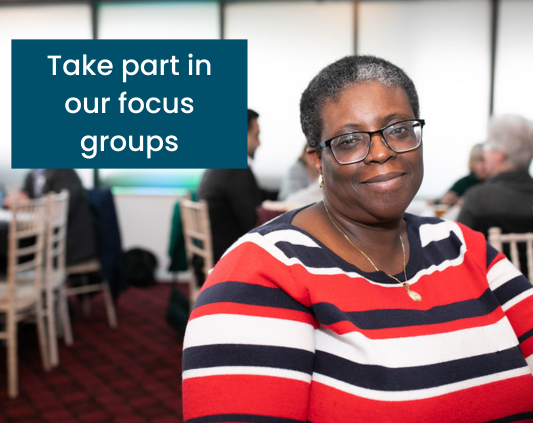
Would you like to help improve health and care services in your area by taking part in Healthwatch Northumberland focus groups? We are looking for people who live in Northumberland and are interested in local health and care services to have their say in future focus groups.

Focus groups are a chance to share your thoughts and experiences within a small group environment.

Watch this video from our Project Coordinator Derry Nugent to find out more.

Register your interest and we’ll be in touch with future opportunities.

Trends in feedback July to December 2024

Trends in feedback July to December 2024

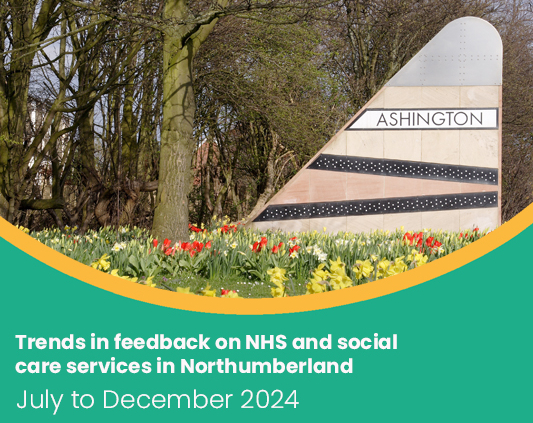
Between July and December 2024, we received detailed feedback from 388 people at face-to-face events, via telephone calls, emails, our website, social media and other sources. This is less than the previous six months (we heard from 417 people between January to June 2024). Between July and December 2024, we signposted 61 people to different organisations for further support. This is down slightly from 65 people in the previous six months but is a similar proportion of all feedback received (signposting/requests for information, July to December 2024: 15.7% of overall feedback; January to June 2024: 15.6% of overall feedback).

Our social media content had a reach of 105,000 and our website had 17,500 views, compared to 23,000 between January to June 2024.

The feedback we have had for the past six months has mainly been around two service areas: GP services and hospitals.

GP services

Just over a quarter (27%) of all feedback we received in July to December 2024 was to do with GP services which was less than between January to June 2024 (29%). The main issues we received feedback on were poor service and access issues. The access issues were largely divided into three categories: perceived pressure by the patients to use online services, difficulties with the online systems when using them and difficulty getting an appointment (whether by phone or online).

Hospitals

23% of all feedback received during the six months was about hospital services. The biggest concerns were around poor communication and to a lesser extent, poor quality of care and lengthy waiting lists. The poor quality of care when people got to hospital was also frequently raised. It wasn’t all negative feedback, with around one in seven of the comments we received about hospitals being positive. However, this is a reduction on the previous six months where approximately one in four comments about hospital services were positive.

Signposting/requests for information

17% of the contacts we received in July to December 2024 were requests for information or signposting support. The subject matters asked about were very varied with no real themes emerging other than for mental health support which occurred in about 7% of requests for information.

Trends

In the six-month period of July to December 2024 the percentage of positive comments rose slightly from 12% in July to 17% in December and the trend line of percentage of negative comments remained roughly the same over July to December 2024 (see Figure 2). This is an improvement on the previous six months, which showed a decline in satisfaction over the period of January to June, and has gone back to the long-term trend over the last two years which shows an overall improvement in the Northumberland residents’ perception of services (Figure 3).

Insights

Although there was a slight downward dip in the first half of 2024, the long-term trend over the past two years in the public’s perception of services has continued to improve, judging from the proportion of positive to negative comments we received in July to December 2024.We have heard from fewer people with disabilities over the six months than in the first half of 2024, but we are still hearing from a greater proportion of respondents with a disability than the county’s own demographic distribution. We have heard from a greater proportion of men and boys of all ages than in the first half of 2024. This continues a slow but steady improvement in our engagement with males over the past two years. We are working to improve this further.We are still receiving concerns about service from one GP practice in particular. We will raise the matter with them so they can address the identified areas of concern.


Read more in What you told us: Trends in feedback July to December 2024.

A pain to complain

A pain to complain

A pain to complain: new research from Healthwatch England

Healthwatch England has shared a new report which looks at some of the barriers people face when making a complaint about NHS healthcare.

Read the findings and recommendations

Key findings

Very few patients complain

Almost 24% said they had experienced poor NHS care in the past year. Yet more than half (56%) of people who experienced poor care took no action, and fewer than one in 10 made a formal complaint.

Low confidence stops people acting

Of those who didn’t make a complaint after poor care, 34% believed that the NHS wouldn’t use their complaint to improve services, 33% thought organisations wouldn’t respond effectively, and 30% felt the NHS wouldn’t see their concern as ‘serious enough’.

A poor complaints experience is common

Over half (56%) of people who made a formal complaint were dissatisfied with both the process and the outcome of their complaint.

Falling investment in support to help people complain

The budget allocated to councils to arrange statutory NHS complaints advocacy for local people has declined by more than 20% over the last decade.

People experience long waits for responses

On average, integrated care boards (ICBs) took 54 working days to respond to complaints they handled as commissioners of NHS services. Response times ranged from between 18 and 114 working days.

The NHS is not effectively learning lessons

NHS organisations do not effectively capture the right data about who makes complaints, do not welcome complaints or fail to fully demonstrate learning from complaints. There is little national oversight and accountability over the complaints process.

Healthwatch England’s recommendations
  • Make the complaints process easier for patients and their families to navigate
  • Monitor and improve the performance of organisations that handle complaints
  • Develop a culture of listening to and learning from complaints

Read more on the Healthwatch England website.

If you would like to talk to us about a health or care service you have used as a patient or a carer, please get in touch.

Free online event – Kidney Care UK

Free online event – Kidney Care UK

Join us on Friday 14 February, 1pm-2pm, to hear from Adele Brown and Sally Tait from the Patient Support and Advocacy team at Kidney Care UK.

They will talk about kidney disease, what causes it, what you can do to prevent or slow the disease and the support available for people living with kidney disease and their families.

There will be time to ask questions after the presentation.

This event has now passed. Watch the recording on our online events page.

Sign up to our newsletter to hear about future events.

Your feedback: December 2024

Your feedback: December 2024

Health and social care feedback December 2024

The top three services we heard about this month were GP services, hospitals and Audiology Services.

Difficulties getting an appointment and quality of care were the biggest issues we heard about for GP services.

For hospitals, the distance to travel to get to an appointment and discharge services were the subjects we heard about most.

Access issues, such as the distance to travel to receive the service and long waits to receive an appointment, were the most common subjects we heard about Audiology Services.

This month’s focus

This month we held our Here to Hear drop-in sessions in Bedlington, Alnwick, Newbiggin and Hexham. December was a shorter month due to Christmas which has contributed to the lower number of contacts this month.

In addition to the Here to Hear sessions we have been to the Meet and Eat session at Allendale and Hexham Auction Mart. New for January 2025 will be our drop-in at Hexham General Hospital on the third Thursday of every month.

We have launched our work looking at Audiology Services, and our joint bid for a research project into Persistent Physical Symptoms was successful. This project will start early summer.

This month’s online talk was from STAMMA, the national stammering charity. The session had a good attendance and was very well received. A recording of the session can be found on our online events webpage.

Impact

A Customer Services Team Leader from Northumberland County Council told us “I have just shared the cost of living booklet, including the foreign language translations, with the team earlier this morning – this is a fab resource for us.”

Negative feedback example

A person told us their elderly relative had to attend hospital in Newcastle. This required a 100 mile round trip from their relative’s house in North Northumberland, with the person having to travel a long way to their relative’s house first to take them there by car.
The relative was seen by a doctor and then discharged, but told by nursing staff the doctor had asked to see them again the next day for a check-up. The person pointed out that this was very inconvenient given the distances, but was simply told that is what the doctor wants.
North Northumberland resident
                  
Positive feedback example

“I’ve been using the Joint Musculoskeletal and Pain Service (JMAPS) since May this year. It’s been fantastic. All of the staff are very busy but always friendly and on time. The physiotherapist I’ve been seeing in particular has been amazing and my care has always been outstanding at every appointment. One of the only health professionals I’ve seen who I have had total confidence in. They have been very professional, caring and reassuring, a real credit to this department.

I would 100% highly recommend JMAPS. I use a lot of different services across several hospitals but this is without a doubt the best care I have received. There has been a definite improvement in care here since I last visited in 2017. A very positive experience.”

Cramlington, Bedlington and Seaton Valley resident

Service providers we heard about and number of times

Newcastle Hospitals (audiology) 9
Northumbria Specialist Emergency Care Hospital 3
Wellway Surgery Morpeth 3
Alnwick Medical Group 3
The Gables Medical Group 3
Wansbeck General Hospital 2

Read more in our short summary for December 2024

Feedback November 2024

Feedback November 2024

Over 100 people contacted us this month, to leave feedback, or use our Information and Signposting Service.

We heard the most about GP services with patients feeling that the quality of care was poor. Patients not being listened to, unhelpful reception staff, difficulties getting an appointment and issues with the online system being the most common complaints. However, just over a quarter of the contacts we had regarding GP practices were positive.

Patients contacted us equally about hospitals and pharmacies. For hospitals the main concern was around poor quality of care plus some feedback about living such a long way from the hospitals.

Almost three quarters of the comments regarding pharmacies were positive and the remaining quarter were concerns around prescriptions.

We continued to hear concerns about the decline in service from audiology services, making up 6% of the feedback this month.

This month’s focus

This month we have been out and about at our usual Here to Hear sessions as well as attending a wellbeing event in Bellingham, an event from Northumberland Cancer Patient and Carer Group in Blyth and the Carers Rights Day event in Morpeth.
We have started researching more into the recent concerns raised around audiology services and held a focus group at Vision Northumberland. We are asking people in Northumberland to share experiences of audiology services.
We continued to promote Northumberland County Council’s Pharmacy Needs Assessment survey and had 1,072 responses in total.
Our online talk this month was from the Macular Society, giving an overview of macular degeneration, the effects of the disease and the advice and support provided by the Macular Society across Northumberland.
Our new mental health support guide was published and free copies are available on request.
Our cost of living information booklet is now available as easy read and also in Arabic, Bengali, Kurdish, Turkish, Spanish and Ukrainian.

Impact

A representative of the Northumberland Stop Smoking Service at Northumberland County Council said “As a result of today’s session (online talk by The Macular Society) I have contacted the Tobacco Dependence Service at the Royal Victoria Infirmary to seek out a contact person for the Opthalmology Department re. referring smokers into our service.”

Positive feedback example

Person’s elderly relative has to attend regular diabetes clinic check-ups at Hexham General Hospital and finds them to be excellent. As the person lives in a remote area on a farm, the staff sometimes travel to carry out checks at the person’s home instead. The person told us that this is extremely useful for times when family are unable to get their relative to the hospital. They are very happy with the service and the care received.

Tynedale resident

Negative feedback example

A caller told us “My relative waited nine months to get a hearing test after being referred by their GP. When they arrived at the clinic in Berwick the nurse/audiologist had forgotten to bring the correct equipment. Today they are still waiting to hear when they have to go back. This is terrible. They are in their eighties and live alone and find it hard to communicate and engage. I live seven hours away and have been trying to find who to call to help get them tested.”

North Northumberland resident

Read more in our short summary for November 2024

Share your experiences of audiology (hearing) services

Share your experiences of audiology (hearing) services

Do you, or does someone close to you currently use NHS audiology services, or have you used these services in the past two years?

This could be at The Freeman Hospital where the service is based, or at one of the outreach clinics.

Tell us what you think. Your feedback will help the NHS know what is working well and how the service could be improved.

Please leave your feedback by 7 February 2025.

Have your say on audiology services

This survey is now closed. To leave feedback please get in touch.

Join the Adult Social Care People’s Panel

Join the Adult Social Care People’s Panel

We are looking for volunteers to be part of the Northumberland Adult Social Care People’s Panel.

We run this panel with Northumberland County Council. The aim of the panel is for you to have your say and help shape adult social care services in Northumberland.

We meet every couple of months, in person, at County Hall, and chat about experiences – what has gone well and what could be better?

If you receive care or care for a family member or friend and want to make a difference in adult social please complete the form below to get started. You can also join the panel if you or a family member used to receive adult social care, or if you are a retired or former health or social care professional.

Our Project Coordinator Derry will review your information and keep in touch with you throughout the joining process to becoming a new member. If you have any questions about joining the panel, or need the form in a different format, you can call Derry on 03332 408468.

Interest form for Adult Social Care People’s Panel – complete online

Interest form for Adult Social Care People’s Panel – Word document


Feedback from October 2024

Feedback from October 2024

This month 312 people gave us feedback on NHS and social care experiences, asked a question through our Information and Signposting Service, or came to one of our events.

16% of what you told us was positive, 55% was negative, with the rest being neutral or mixed.

GP practices and hospitals were the services we heard about most this month. Issues about online access for patients was the most common concern raised for GPs. We started to hear more about this during September, and this month makes up a third of all feedback about GP practices. Poor communication and the distance to travel were the most common concerns reported for hospitals. Poor communication was an issue either with the patient, between GP and hospital, and/or between between hospitals.

This month’s focus

We have had a busy time out in our communities with our Here to Hear drop-in events. We also attended Northumberland County Council’s World Mental Health and World Suicide Prevention Day sessions in Berwick and Cramlington, and Health and Wellbeing events in Haltwhistle, Wark and Blyth.
Our Annual Event, held at The Maltings, Berwick was a hive of activity, with around 100 people attending the Information Marketplace in the morning. Over 25 organisations from across NHS, voluntary and community services were there to let people know about the care, support and services they can offer.
At our afternoon theatre session 85 people came along to hear our review of the year and from guest speakers about mental health services, the new Berwick Hospital and community services in the area.
Working with Northumberland County Council we have launched the Pharmacy Needs Assessment survey which will run until the end of November.
This month’s online talk was from Carers Northumberland. 20 people attended to find out more about the services available to unpaid carers.
Impact
At Northumberland County Council’s Health and Wellbeing Board this month, the Principal Social Worker for Adult Social Care reported that our work had helped Adult Social Care redesign its website and also ‘helped rewrite and reframe Carers Assessment Training for Social Workers’.
Positive feedback example
A member of public told us they had a very positive experience with the early intervention psychosis team (delivered by Cumbria, Northumberland, Tyne and Wear NHS Foundation Trust). Their daughter is currently receiving
treatment and they have not only been really good with her but also with the family: keeping them in loop, checking in etc.
Cramlington, Bedlington and Seaton Valley resident
Negative feedback example
Patient lives on the border between Northumberland and Cumbria (on the  Northumberland side) so receives split care between Carlisle Hospital and Northumbria Healthcare NHS Foundation Trust/Newcastle
Upon Tyne Hospitals NHS Foundation Trust hospitals.
This can sometimes cause issues with the trusts not communicating with each other and the patient not knowing which one they’ll be referred to, when.
Tynedale resident
Service providers we heard about and how many times
Brockwell Medical Group 5
Northumbria Healthcare Trust 4
Alnwick Medical Group 4
NSECH 2
Union Brae Surgery 2
Hexham General Hospital 2
We also heard about 23 other organisations once each.
Read more in our short summary.